The Nomadic Story
Seoul 4 Day Itinerary: Complete Travel Guide
4 Days • Tradition, Culture & Modern Seoul
Seoul is a city of contrasts — quiet hanok lanes, royal palace walls, traditional courtyards and modern architecture all existing within the same rhythm. Over four days, I explored the historic heart of Seoul, spent a full day beyond the city at Nami Island and its surrounding villages, and finished with a glimpse of modern Seoul.
Four days were enough to see Seoul’s many layers — but not enough to stop discovering them.
Trip Overview
Day-by-Day Route Summary
Day 1
Bukchon Hanok Village, traditional streets, hanok courtyards, rooftops, and the quieter side of Seoul.
Day 2
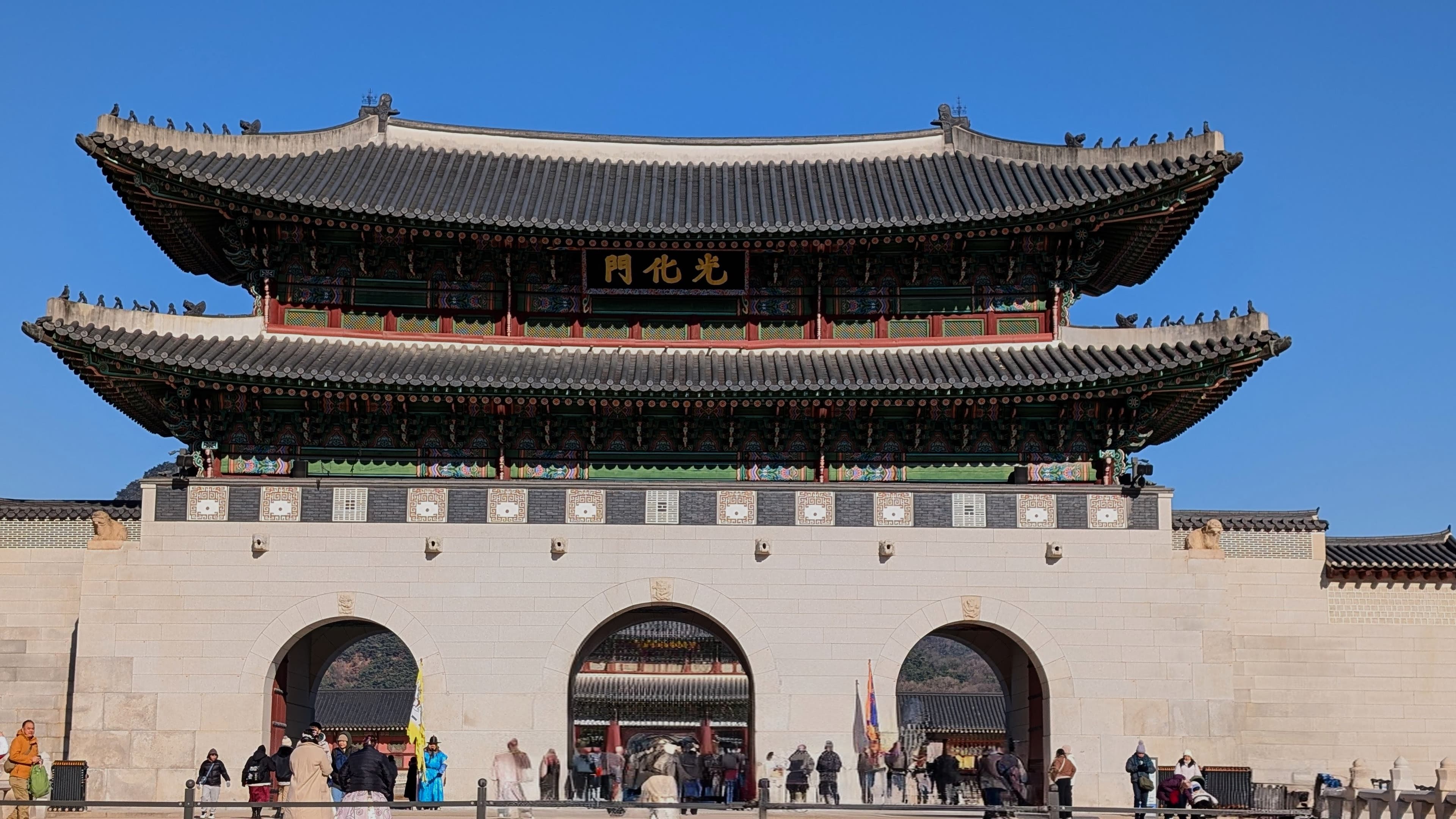
Gyeongbokgung Palace, Gwanghwamun Gate, palace courtyards, Gyeonghoeru Pavilion, and traditional Seoul.
Day 3
Nami Island, Petite France, Italian Village, scenic surroundings, and a full day beyond Seoul.
Day 4
Modern Seoul, Starfield Library, contemporary architecture, public art, and everyday city life.
Day 1: Walking Through Bukchon
Morning—I started the day walking through Bukchon Hanok Village, where traditional Korean houses, tiled roofs, quiet alleys, and stone walls create a completely different rhythm from modern Seoul.
Afternoon—I continued through the quieter hanok streets and courtyards, taking time to notice the traditional architecture and everyday details around the neighbourhood.
Evening—The day was about slowing down and experiencing the historic side of Seoul on foot rather than rushing between attractions.
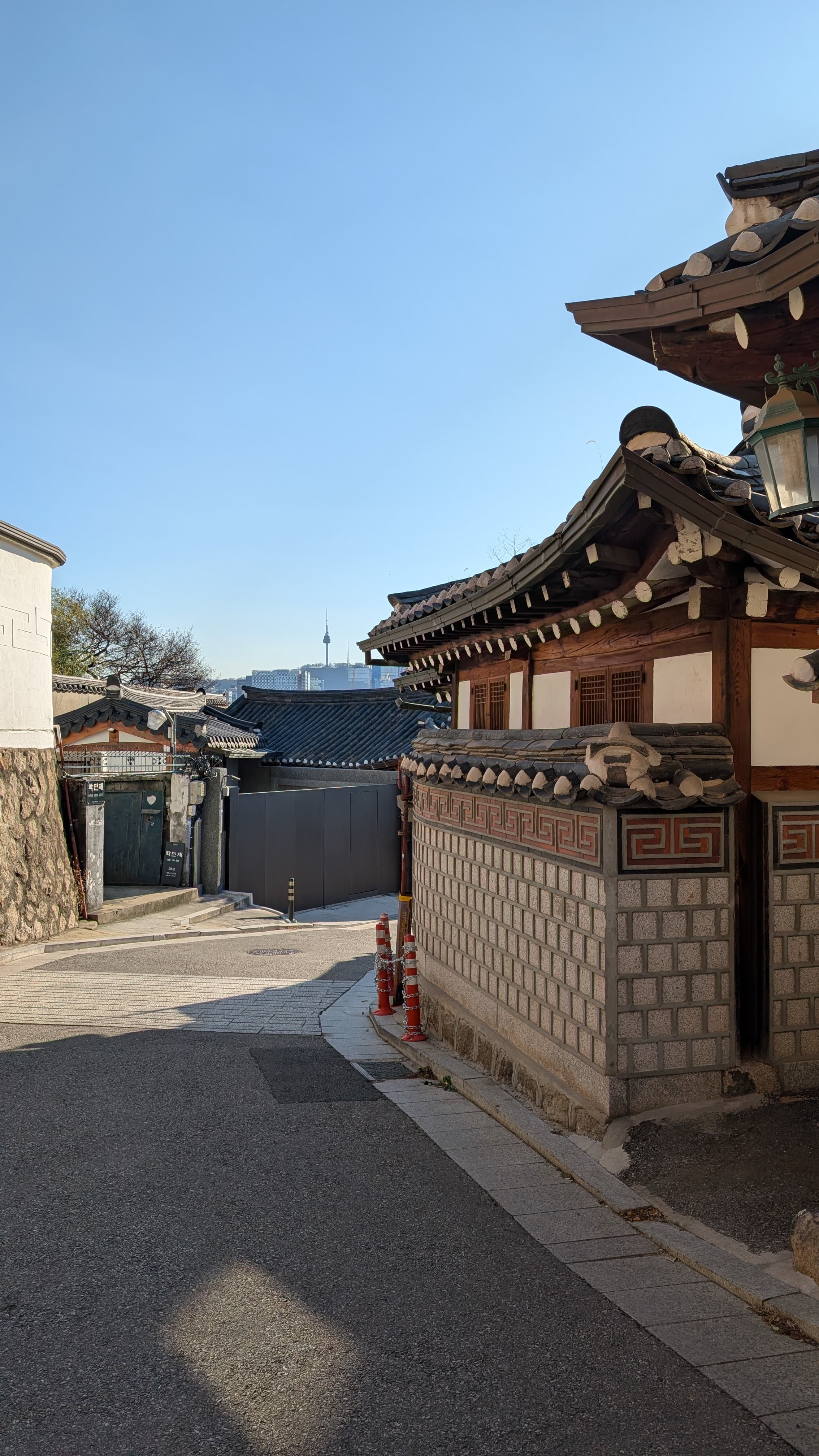
Bukchon Hanok Village • Seoul
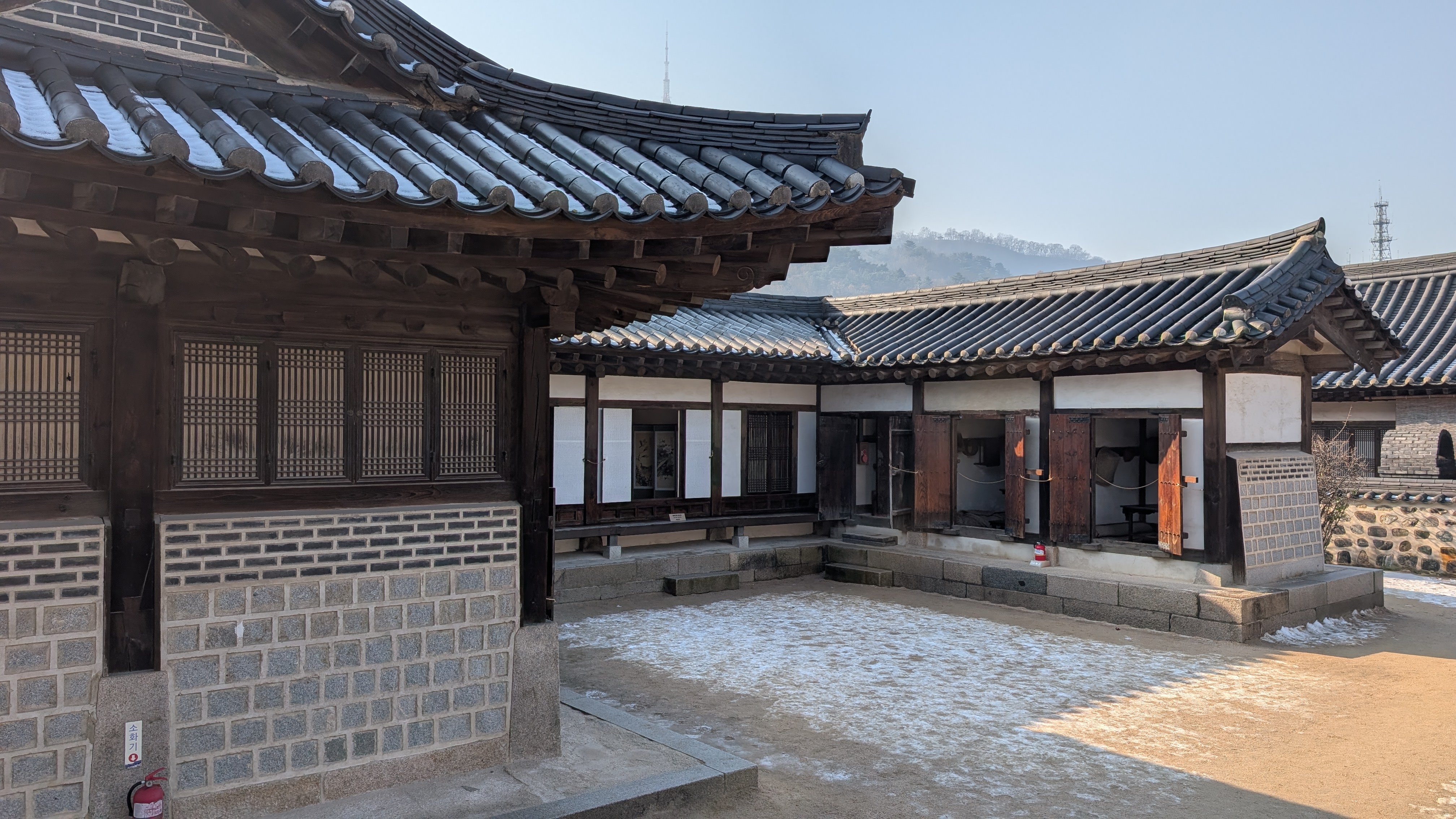
Hanok Courtyard
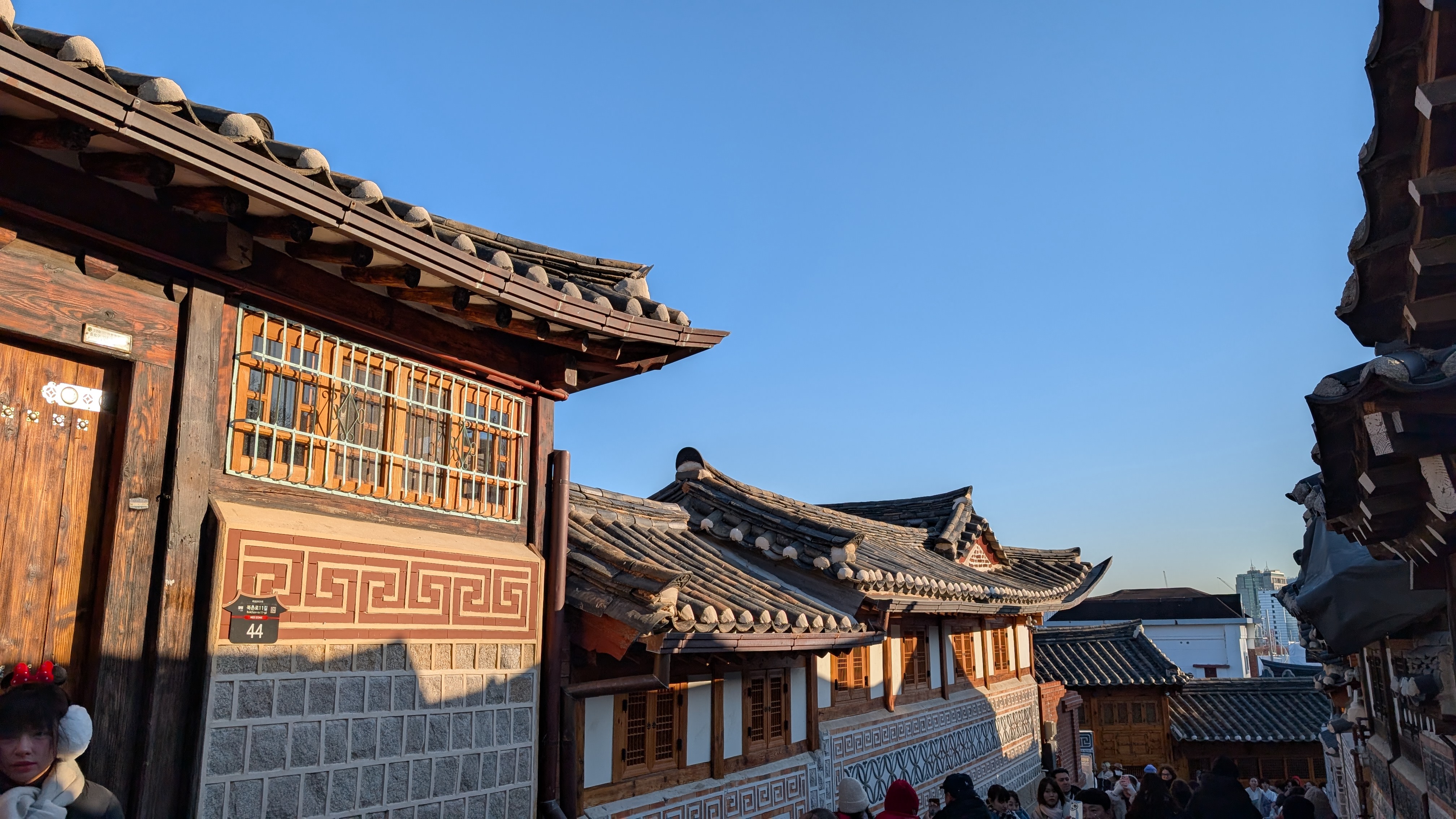
Hanok Rooftops
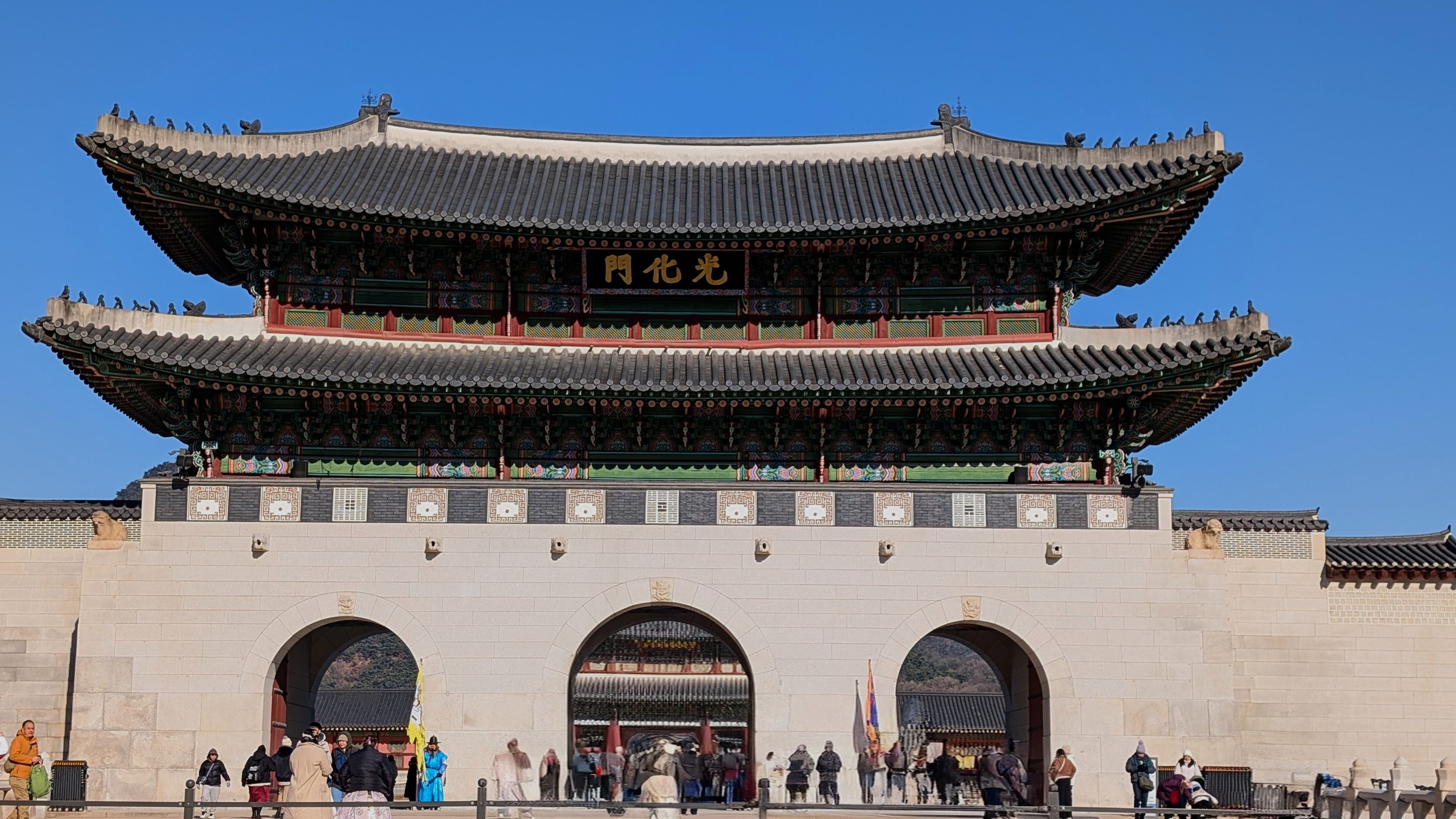
Gyeongbokgung Palace • Seoul
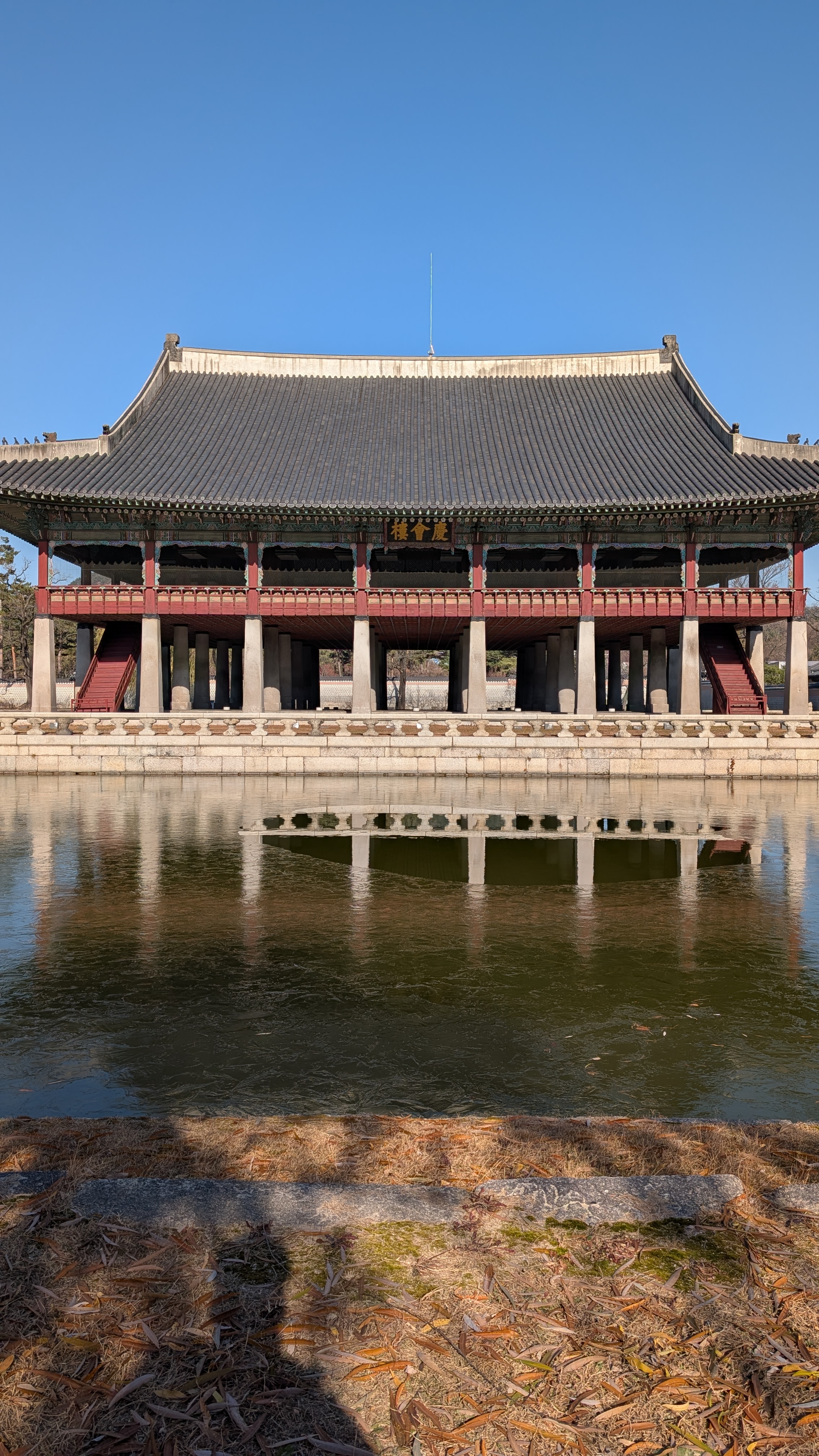
Gyeonghoeru Pavilion
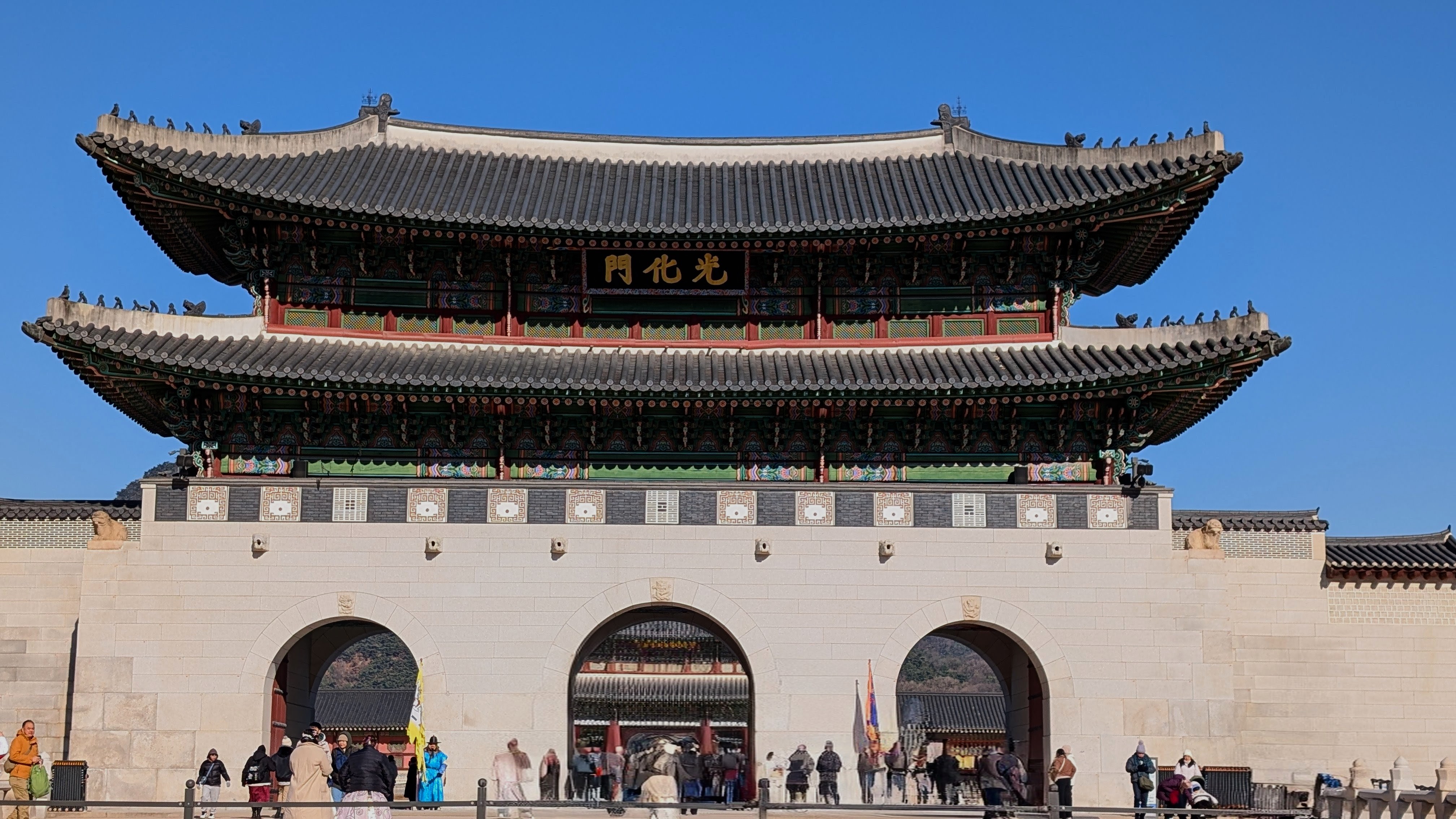
Palace Gate
Day 2: Gyeongbokgung & Gwanghwamun
Morning—Explore Gyeongbokgung Palace and its expansive courtyards, traditional gates, detailed Korean architecture, and historic palace grounds.
Afternoon—Continue towards Gwanghwamun and experience the contrast between Seoul’s royal past and the modern city surrounding it.
Late Afternoon—Spend time around Gyeonghoeru Pavilion and the palace grounds, where the architecture changes character with the light.
Day 3: Nami Island & The Villages Beyond Seoul
Morning—A full-day trip beyond Seoul, beginning with Nami Island and its tree-lined paths, seasonal scenery, and quieter surroundings.
Afternoon—Continue to Petite France and the Italian Village, where colourful buildings and European-inspired architecture create a completely different atmosphere from Seoul.
Evening—Return to Seoul after a relaxed day surrounded by nature, small villages, and mountain scenery.
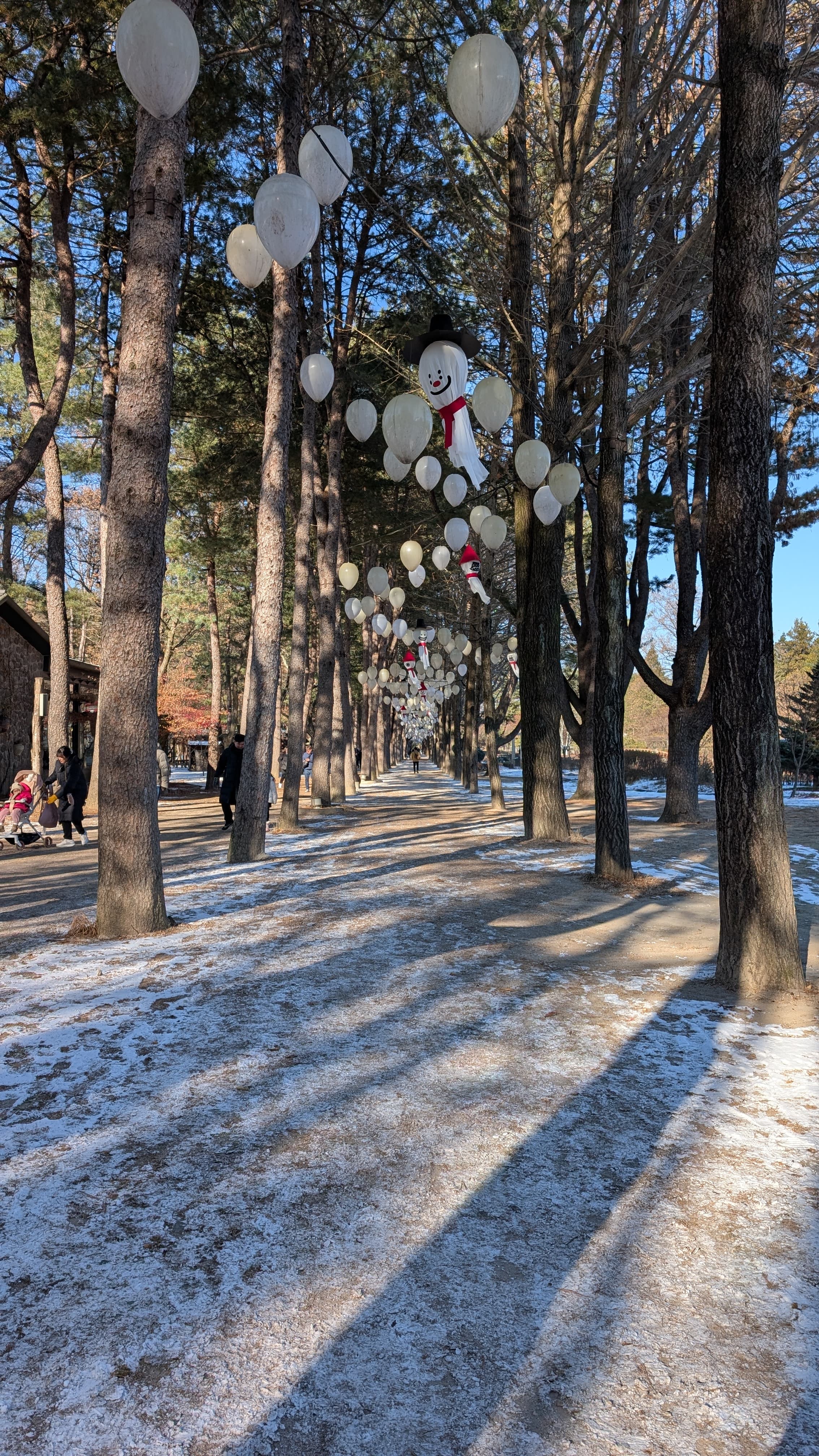
Nami Island • Beyond Seoul
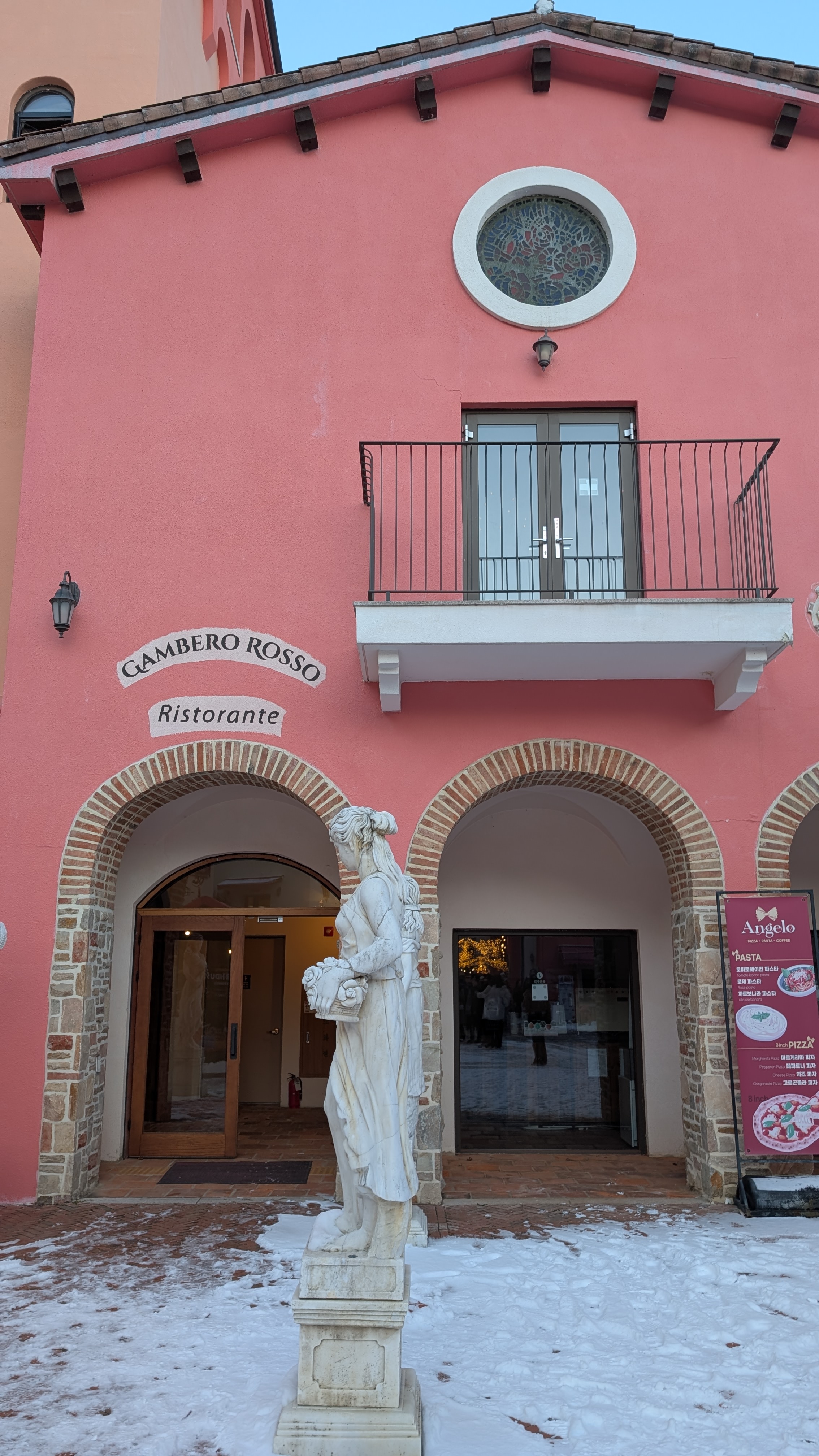
Petite France
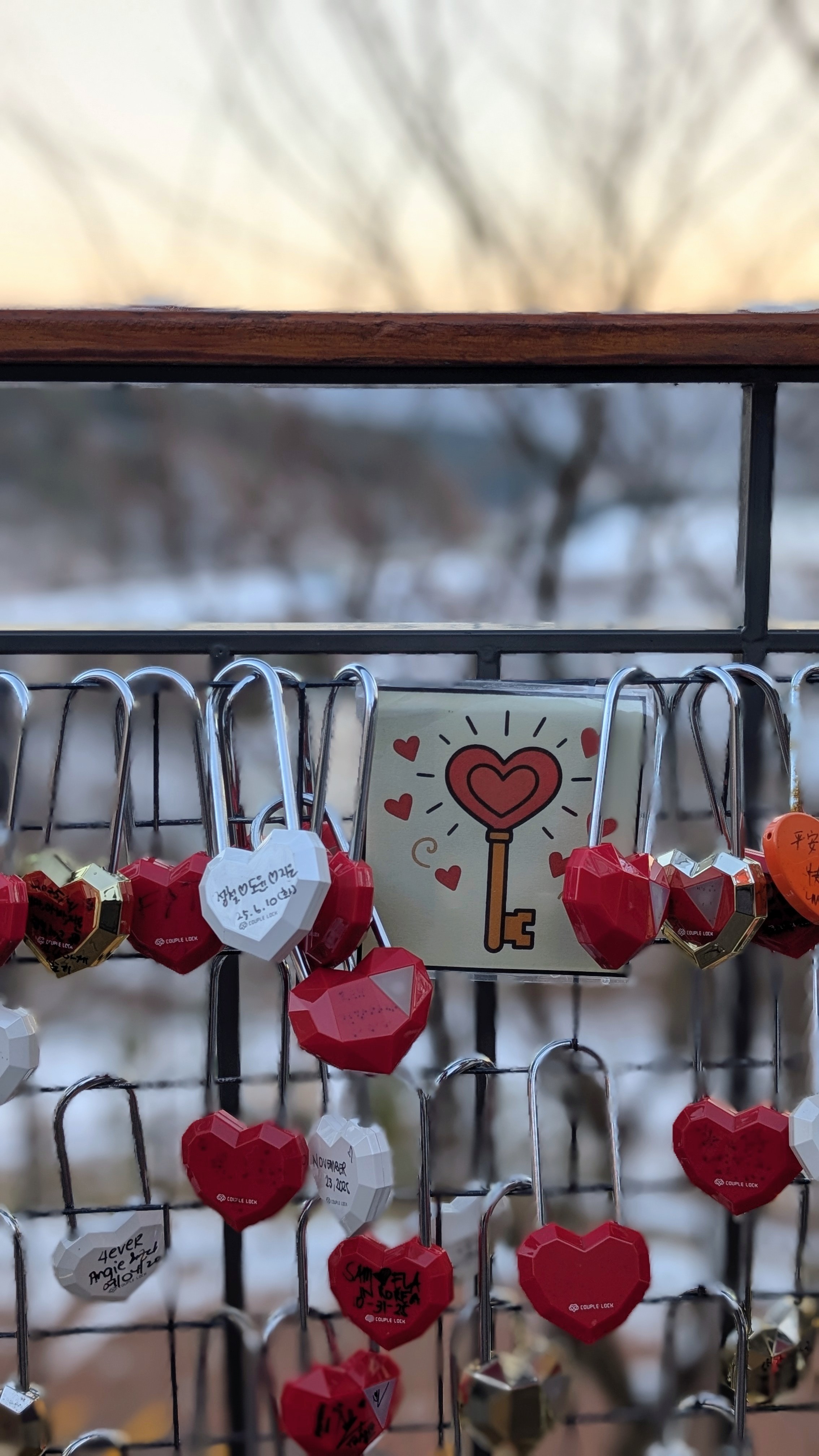
Italian Village
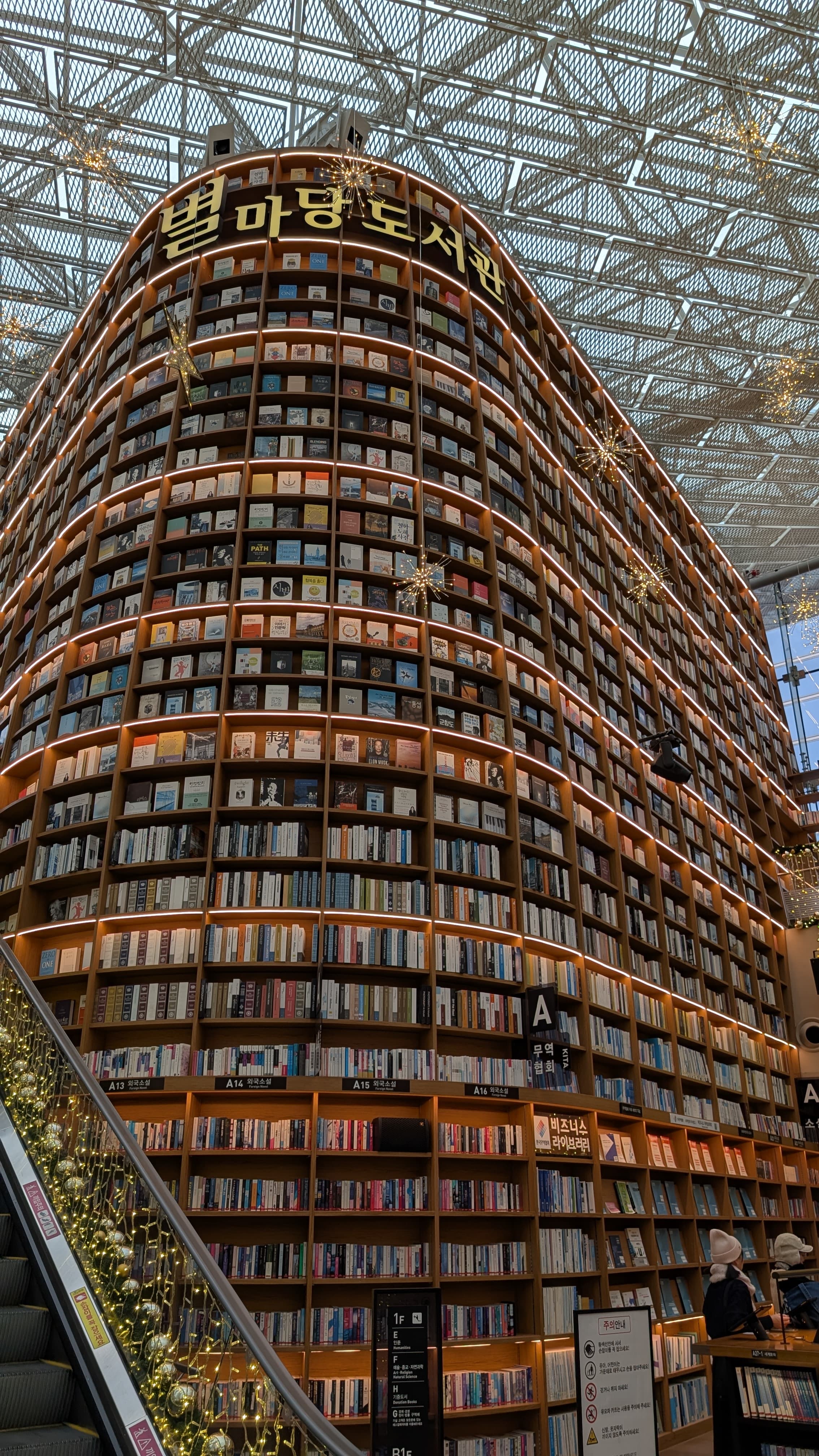
Starfield Library • Modern Seoul
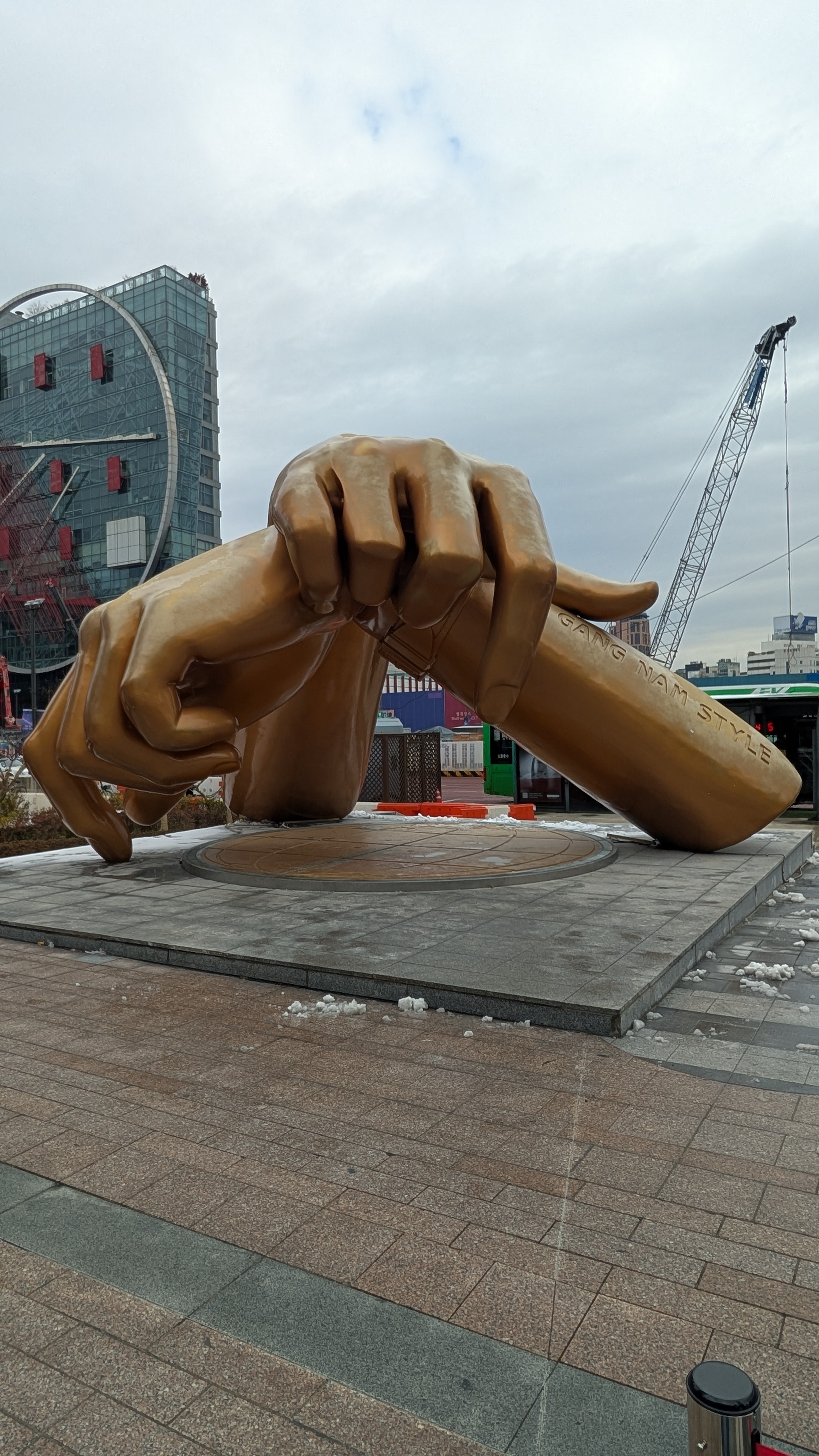
Public Art
Day 4: Modern Seoul
Morning—Spend time experiencing a different side of Seoul, where contemporary architecture and public spaces sit alongside the city’s older neighbourhoods.
Afternoon—Visit Starfield Library and take in its dramatic scale, architecture, and modern urban atmosphere.
Evening—Finish the journey with Seoul’s contemporary streets, public art, and everyday city life.
Photography Tips
Best Camera Spots From This Itinerary
Bukchon Hanok Village in the morning, Gyeongbokgung Palace through the afternoon, Nami Island and its surrounding villages during the day, and Starfield Library for a modern Seoul perspective.
View Seoul Photo GalleryPhotography Guide
Best Photo Times
Day 1 • Bukchon Hanok Village
Morning is ideal for Bukchon when the streets are quieter and the light falls naturally across the traditional hanok walls and rooftops.
Day 2 • Gyeongbokgung Palace
Late afternoon works especially well around the palace grounds and Gyeonghoeru Pavilion when the changing light adds depth to the traditional architecture.
Day 3 • Nami Island
Daylight gives the best balance for Nami Island and the surrounding villages, especially when photographing the trees, paths and colourful architecture.
Day 4 • Modern Seoul
Daylight works well for Starfield Library and public art, while later light adds atmosphere to Seoul’s modern streets and architecture.
Practical Information
Plan Your Seoul Trip Better
Seoul is easy to explore, but a few smart choices can make your trip smoother. Plan your transport, choose the right neighbourhoods, and leave enough time to experience both traditional Seoul and its modern side.
When to Visit
Spring and autumn are especially comfortable for walking and photography, while winter brings a quieter atmosphere and the possibility of snow around Seoul’s traditional architecture.
Where to Stay
Myeongdong, Insadong, Jongno and areas around central Seoul are convenient for combining traditional attractions, shopping, restaurants and public transport.
Getting Around
Seoul’s subway is one of the easiest ways to move between major areas. Buses and taxis are useful when travelling beyond the main subway routes.
What to Eat
Seoul offers everything from traditional Korean dishes and street food to cafés, international restaurants and vegetarian-friendly eateries.
Language
Korean is the primary language, and English is commonly available in major tourist areas, hotels and transportation hubs.
Currency
South Korea uses the Korean Won (KRW). Cards are widely accepted, but carrying some cash is useful for smaller shops, markets and occasional purchases.
Travel Tip
Start early for popular attractions such as Bukchon and Gyeongbokgung, and keep comfortable shoes with you because Seoul involves plenty of walking.
Navigation & Apps
Use Naver Map or KakaoMap for detailed walking and public transport directions. A T-money card makes subway and bus travel simple, while translation apps can help when navigating local areas.
Vegetarian Tip
Vegetarian options are available across Seoul, with particularly good choices in areas such as Insadong, Myeongdong and Itaewon. Buddhist temple cuisine can also be a good option for plant-based meals.
Frequently Asked Questions
Is 4 days enough for Seoul?
Yes. Four days gives you enough time to explore Seoul’s traditional neighbourhoods, major palaces, modern attractions and take a full-day excursion to Nami Island.
What is the best time to visit Seoul?
Spring and autumn are particularly comfortable for walking and photography. Winter offers a quieter atmosphere and a different visual character.
Is Seoul easy to explore without a car?
Yes. Seoul has an extensive public transport network, and many major attractions can be reached easily by subway and bus.
Seoul reminded me that moving forward does not always mean leaving the past behind.
Continue Exploring
Explore More Travel Itineraries